How We Made the Digg Brand Film
A short browse through Digg, one music choice, and a fidelity check shaped this 32-second film without inventing product screens.
From brief to final cut.
Capture the path viewers should recognize
Our brief linked Digg's site and asked Ghostmotion to understand its main selling points before making the film. We then recorded a small but useful journey: the homepage, a trending story, and a Gaming story with its sentiment summary. The goal was to give the edit real product context rather than a list of abstract features.
Report the capture's missing pieces
Some images did not load while we recorded, and we could not log in or switch to dark mode. We said so in the project and asked Ghostmotion to check the live site for imagery. We also set a clear guardrail: only use dark mode if its actual design could be matched; otherwise stay with the captured light mode.
Start the track and review the first seconds
We added “Like That” from the beginning. The first version's structure and script were close, but the opening missed its first musical beat. We asked for a visible action there and for tighter pacing elsewhere so the opening would feel intentional.
Replace generic imagery
The topics section used emojis, which made it feel less connected to Digg. Our single revision asked for a stronger treatment using real story imagery. That kept the film grounded in the product people would actually see.
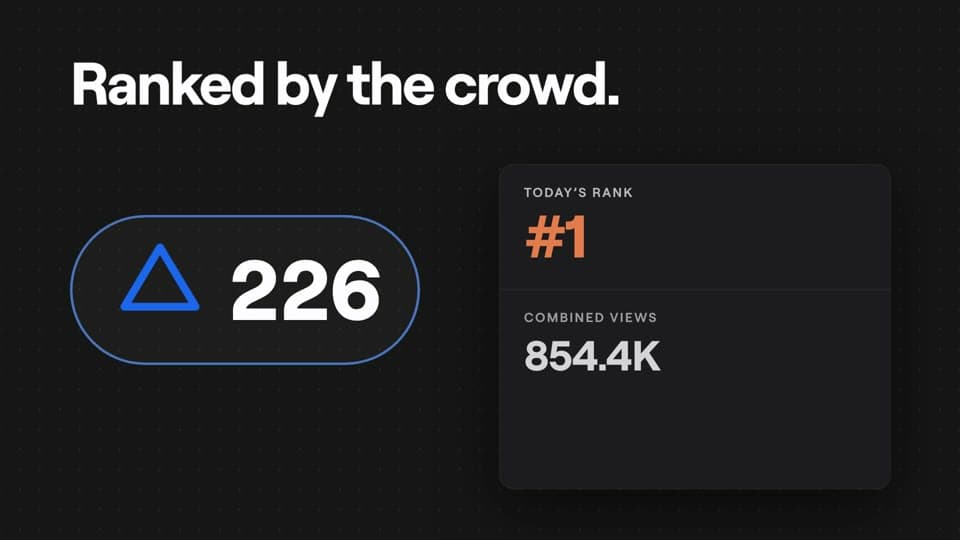
Three frames. One story.
Make the next cut better.
- Tell Ghostmotion what failed during capture so missing content is not mistaken for the product's design.
- Set a fidelity rule when a visual state, such as dark mode, was not actually recorded.
- Check the first beat and replace generic placeholders with relevant source imagery.